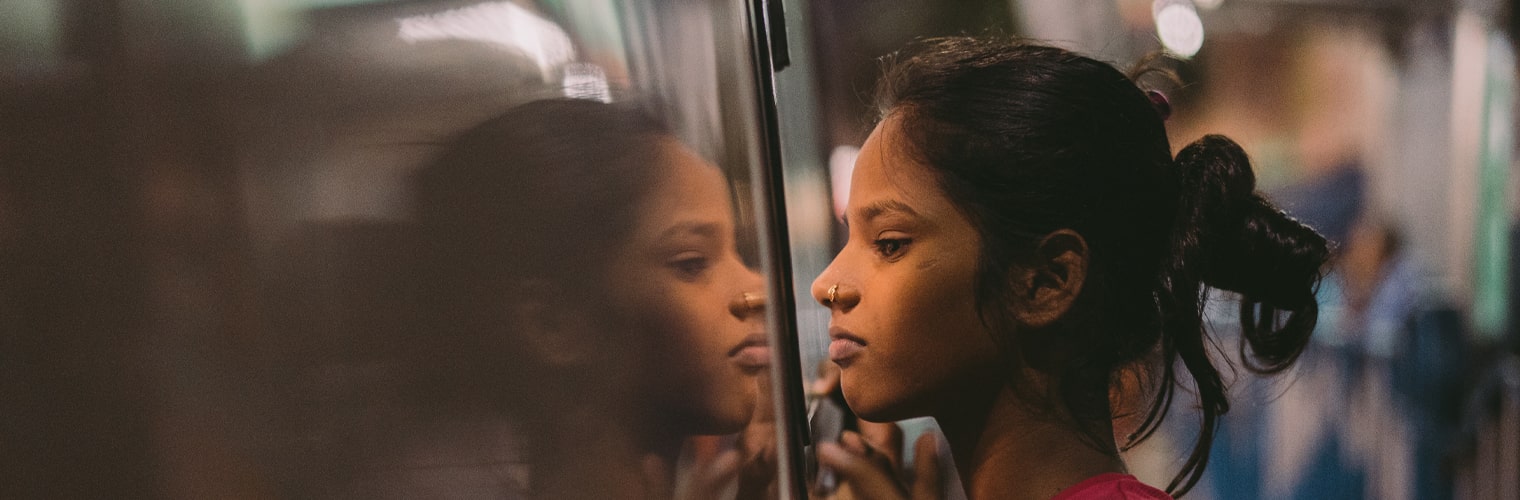
HOPE realises the importance of universal healthcare for every individual. Recognising this need, The Hope Foundation supports it partners to implement different health projects to ensure the holistic health of underprivileged and street and slum connected communities in and around Kolkata.
HOPE's Healthcare Programmes work towards achieving this SDG:
-
46,733 individuals have been direct beneficiaries of HOPE healthcare programmes
-
15,819 patients treated in HOPE Hospital’s Inpatient and Outpatient Departments
-
928 surgeries were conducted at HOPE Hospital
-
5,810 pairs of free spectacles were provided to children and adults
-
6,750 people received dental treatment and medication
-
440 people were rescued by the HIVE Emergency Response Unit
HOPE Hospital & Outreach Projects
Hope Hospital is committed to making quality healthcare accessible to all communities under one roof. The hospital offers comprehensive medical services, including outpatient and inpatient care, a fully equipped surgery department, advanced diagnostic and pathological laboratories, a dialysis unit, and an in-house pharmacy.
For communities that cannot easily access the hospital, the team extends its services through dedicated healthcare outreach units. These outreach initiatives deliver essential medical care directly to street-based and slum-connected communities.
Hope Kolkata Foundation looks into the operations of Hope Hospital and its outreach projects.
Outreach Projects
The Mobile Dental Clinic delivers essential dental care to street-connected and slum communities through a fully equipped Mobile Dental Ambulance. A qualified dental team conducts mobile dental camps three times a week, providing accessible and affordable oral healthcare to underserved populations.
This Community Clinic provides medical care exclusively to the Chitpur community weekly. It focuses on children and pregnant and lactating mothers. Patients treated here are connected to primary healthcare services to ensure childhood immunisation and family planning support. Those requiring advanced treatment are referred to local government hospitals and Hope Hospital.
The clinic also conducts WHO-based dance movement therapy for adolescent girls.
The Blindness Eradication Programme aims to eliminate preventable blindness and improve overall eye health. To realise this vision, it conducts community-based eye camps in rural and urban areas of West Bengal. In addition, this programme also supports young adults from underserved communities to become optometrists.
The Night Round Mobile Ambulance delivers healthcare directly to street- and slum-connected communities. It reaches people who have limited access to medical services. The team also functions as an emergency response unit by providing timely intervention to homeless individuals in urgent need of medical attention.
Emergency Response Unit
Emergency Response Unit extends rescue and rehabilitation services to those in need across Kolkata and other areas. Homeless individuals, individuals with psychosocial needs, and accident victims are provided with medical facilities and restoration as per their need.
Emergency Response Unit is implemented by Hive India.
Naya Daur
Naya Daur extends mental healthcare to homeless individuals with psychosocial disabilities. It is a community-based programme with voluntary caregivers offering holistic care to the clients in need.
The project works in 40 wards under the Kolkata Municipal Corporation to identify clients who are homeless and suffering with mental health conditions. Through a referral network, the organisation aims to restore clients back to their homes (where appropriate) or provide shelter, appropriate care and treatment. In some cases, the clients are supported to secure a job in a shop or tea stall etc.