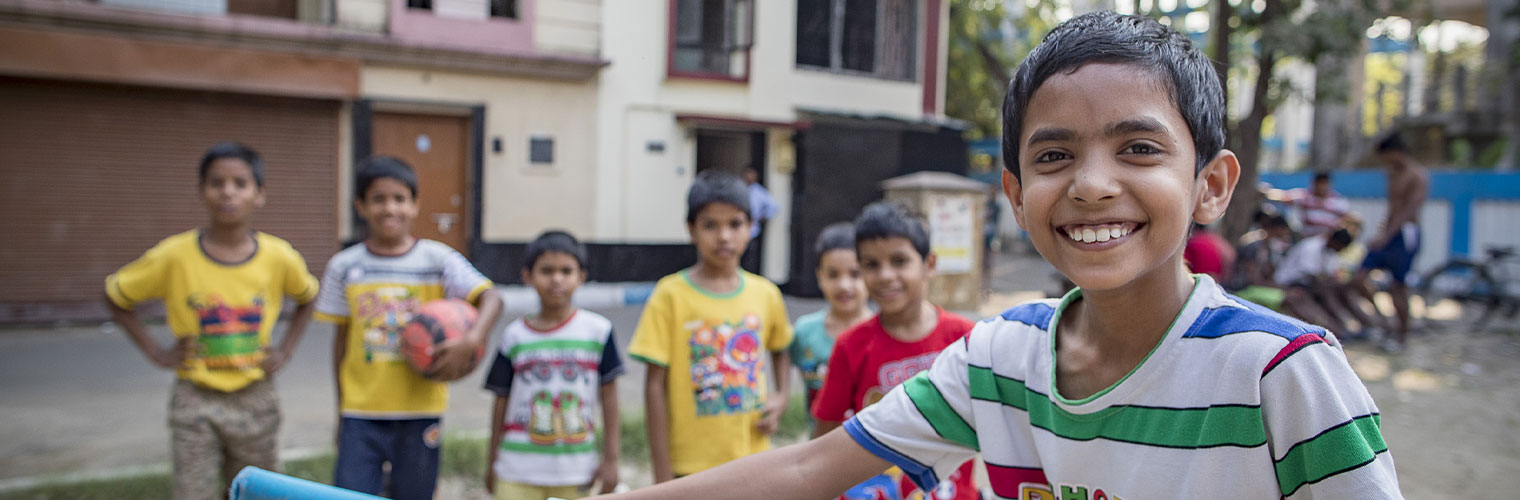
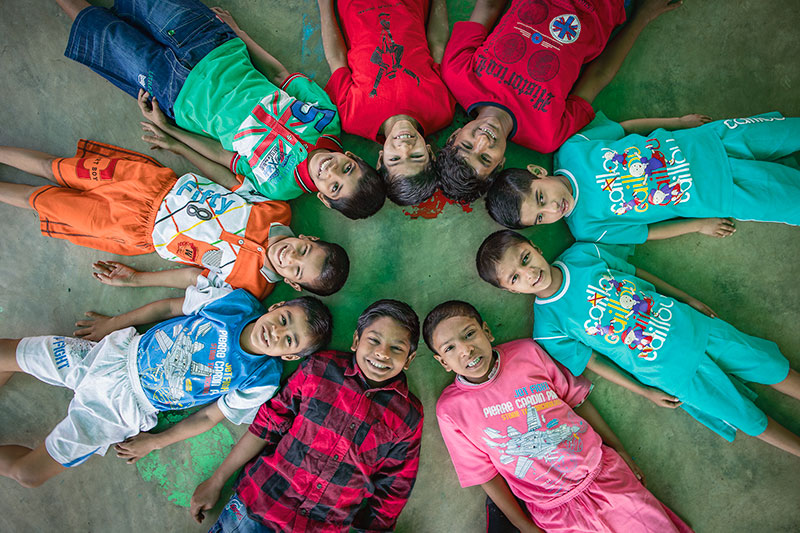
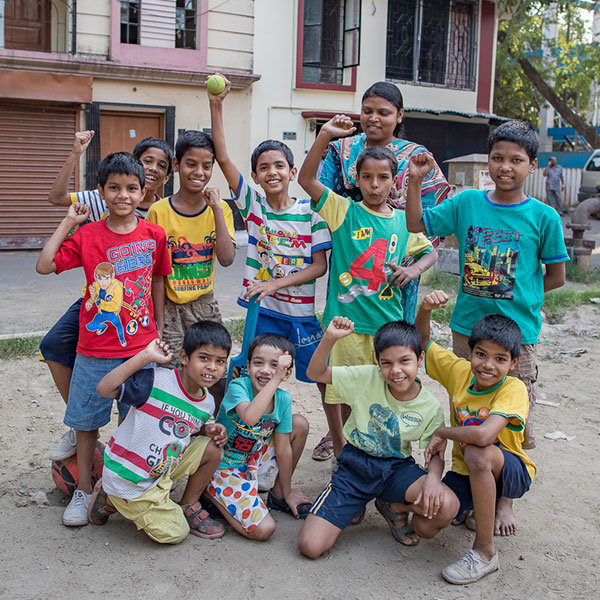
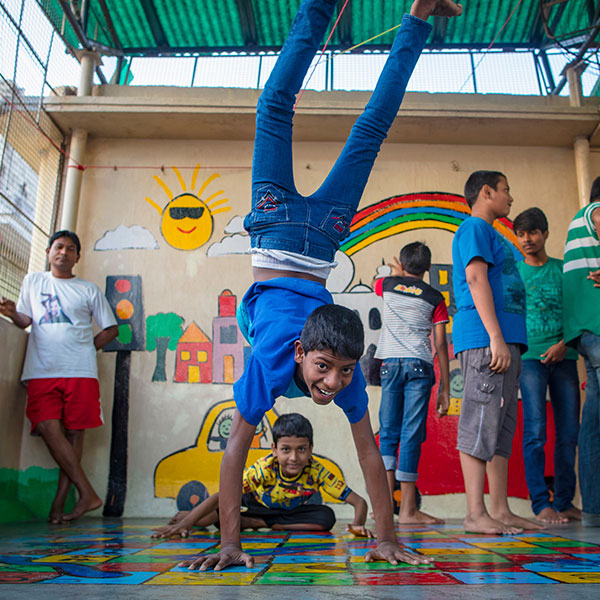
HOPE works closely with a network of strategic partners to ensure protection, care, and holistic support for children, young adults, mothers, and street- and slum-connected communities. The programme’s core objective is to identify individuals in need of care and protection and provide comprehensive, timely interventions that promote safety, rehabilitation, and long-term well-being.
2024/25 Key Achievements
621 children were supported by HOPE’s Residential Child Care Programme.
195 children were restored to their families during the year.
784 children & 346 families were supported by Child Watch.
27 boys with a history of substance abuse have been treated and protected.
27 mothers and 25 children were supported by the Mother & Child Care Unit.
Residential Childcare Programme
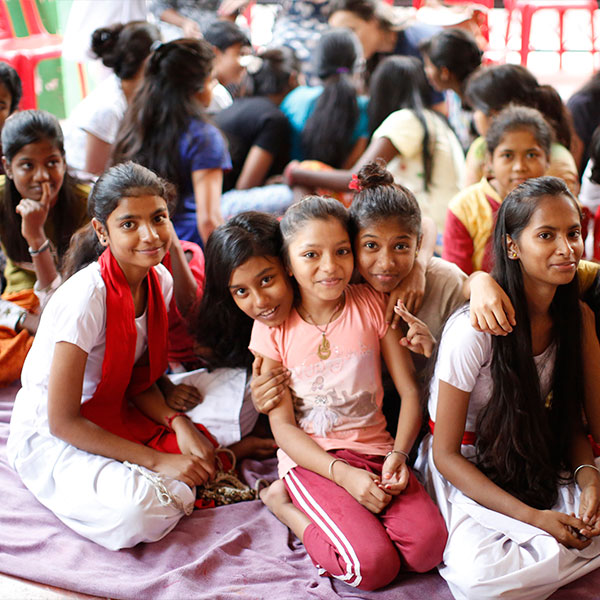
The Hope Foundation’s Residential Child Care Programme provides safe shelter, protection, and quality education to children in need of care and protection. Guided by the belief that a loving family environment is the safest and most nurturing space for a child, HOPE prioritises deinstitutionalisation.
To realise this vision, HOPE actively facilitates child restoration, rehabilitation, foster care, and legal adoption, ensuring that every child has the opportunity to grow up in a stable, supportive, and family-based setting.
The Hope Foundation supports the following residential child care centres implemented by its local partners:
Hope Kolkata Foundation
Ashar Alo Girls’ Home
Kasba Girls’ Home
Crisis Intervention Centre for Female
Ashirbad Boys’ Home
Bekind Boys’ Home
Punarjibon Rehabilitation Home for Boys with Substance Abuse
HOPE’s After-Care Programme is a non-institutional care initiative that supports young adults transitioning from residential care to independent living. The programme provides access to higher education, vocational training, career guidance, and financial and legal support, enabling youth to become self-reliant and financially independent.
Currently, The Hope Foundation supports the following Aftercare Programme implemented by Hope Kolkata Foundation:
Ashaneer Women’s Home (Hope Hostel) and
Aftercare Support for Young Boys (Above 18 years)
Mother & Child Care Unit
Women are often subject to violence within the family, a place which is expected to protect their dignity and assure their safety. Nearly one-third of women in India have experienced physical or sexual violence. Incidents of violence at home affect the mental and physical state of a child. One of the common forms of abuse and violence against mothers is separating their children from them and forcing them to leave home. Fueled by mandatory stay-at-home rules, economic uncertainties, and anxieties caused by the pandemic, domestic violence has increased globally.
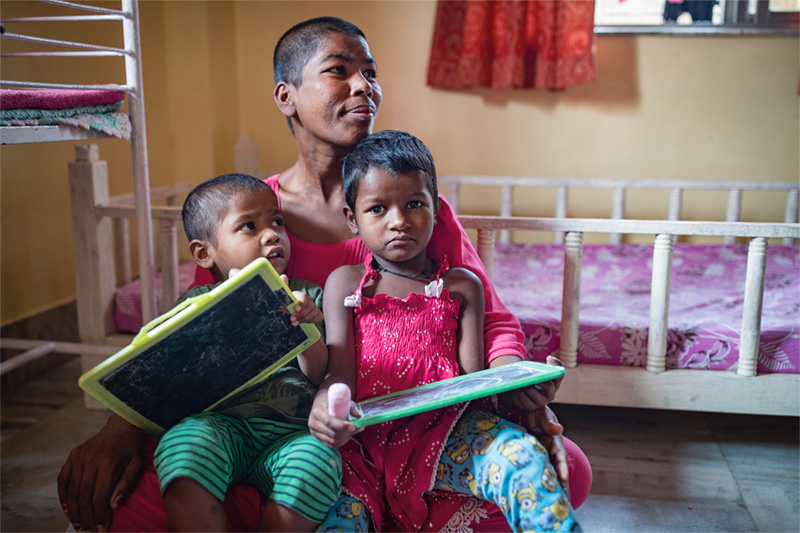
The Mother and Child Care Unit, established in 2010, is a short-stay home which provides safe shelter to mothers and their children who were abandoned by their families and/or experienced domestic violence from their husbands and were compelled to leave their homes and take shelter on the streets and platforms of Kolkata.
Child Watch Programme
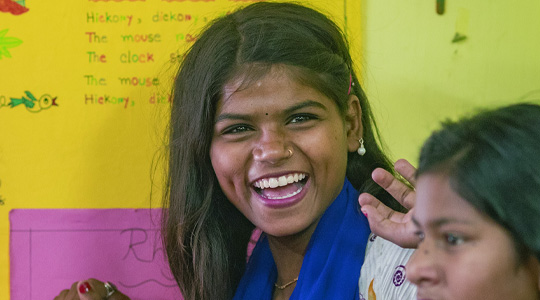
Child Watch, a community-based outreach project, supports street-connected and slum-dwelling children and their immediate communities. Recognising the need to maintain a 24/7 safety network to prevent and report various child rights violations, Child Watch maintains Child Vigilance Groups and Community Watch Groups.
Through different awareness programmes, Child Watch also ensures school enrollment, school retention, legal and financial linkages for the communities.
Hope Kolkata Foundation implements this project.
HOPE's Protection Programmes work towards achieving these highlighted SDGs: